

When Beer Still Bit Back
By Owen Ogletree
There was a time when craft brewers treated bitterness like horsepower. If one brewery released an 80-IBU IPA, somebody else rolled out one with 100. Then came palate wreckers that claimed numbers so large they sounded like credit scores.
Some hoppy masterpieces were marvelous, while others went a bit over the top. Still, the “IBU wars” of the early 2000s taught drinkers to appreciate bitterness as a rewarding acquired taste rather than a form of liquid punishment. Hops provide the spice that reins in malt’s sweetness. Trouble is, our brains are wired from birth to think of bitter foods as toxic. Once the palate learns that hop bitterness can be tasty—the dry, bracing finish that makes you crave another sip—it’s easy to get hooked.
Then IPAs Got Soft and Fluffy
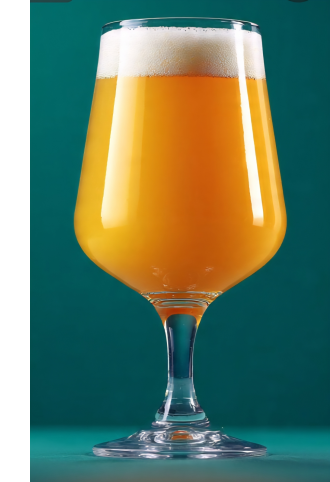 Today’s hazy IPAs emphasize juicy hop flavor, pillowy texture and restrained bitterness. Brewers load these brews with hops late in the brewing process and even after fermentation. Dry hopping can supply loads of aroma without the bitterness created by boiling hops for an extended time.
Late hopping with low hop bitterness seems to make IPAs friendlier to people who want sweet mango, guava, peach and orange rather than a hoppy, bitter finish. Residual sweetness, softer water chemistry and additions of starchy oats and wheat can increase the perception of hop flavor while reducing the perception of bitterness. Hazy IPAs may contain plenty of hops yet finish surprisingly sweet.
Tastes didn’t change overnight. Brewers discovered that juicy beer attracted customers who found old-school IPAs a bit out of their league. Sweetness is welcoming; bitterness is learned. The market did the rest.
IBUs: Beer’s Misunderstood Hop Speedometer
IBU means International Bitterness Unit. It measures the concentration of isomerized alpha acids in finished beer, expressed in milligrams per liter. The Beer Judge Certification Program notes that more IBUs generally mean more potential bitterness—but an 80-IBU barleywine can taste less bitter than a 50-IBU pale ale because malt sweetness, alcohol and body can alter perception.
Four Ways to Deploy Hops
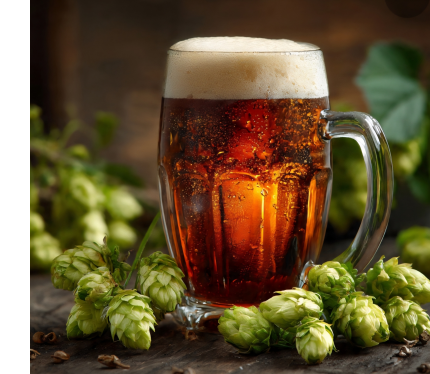 Bittering hops go into the kettle early. A long boil converts their alpha acids into bittering compounds.
Flavor hops arrive later in the boil, preserving more of their distinctive character while still adding some bitterness.
Aroma hops are added near the end of the boil, in a whirlpool, or during fermentation as dry-hops. Their volatile oils supply the nose—citrus, flowers, fruit, herbs and resin—without conventional kettle bitterness.
First-wort hopping means adding hops to the brew kettle while sweet wort is entering the kettle, before the boil begins. Brewers often value the technique for an integrated bitterness and more interesting hop flavor. Recipe calculations commonly estimate bitterness of first-wort hopping as slightly above that of a typical full-boil addition.
Pine Trees Versus Onions
Classic American varieties such as Cascade, Centennial and Chinook offer grapefruit, lemon, flowers, spice, resin and pine. Centennial, for example, is known for lemon, orange, light pine and rose-like floral notes. Chinook may be America’s most pine-focused hop.
Some newer hop varieties—or particular lots handled badly—can express divisive sulfurous notes described as diesel, onion, garlic or “catty.” These aren’t automatically signs of trendiness or poor quality; hop character depends on variety, crop, harvest timing, storage and brewing technique. “Catty” has been part of beer-judging vocabulary for decades. One drinker’s thrilling dankness is another’s litter box.
Fallen Heroes of the Bitterness Wars
The original Stone Ruination IPA was a famous poster child for hop bitterness: more than 100 IBUs, resinous and beautifully challenging. Stone retired the year-round original in 2015, though it has made limited returns. Other casualties include Moylan’s Hopsickle, Lagunitas Hop Stoopid, Green Flash Palate Wrecker and numerous bitter imperial IPAs that vanished or became occasional releases as the hazy tsunami washed over the US craft beer market. These glorious old-school hoppy ales didn’t whisper “juicy.” They kicked down the door and yelled in your face about the beauty of IBUs.
Six Bitter Beers Still Carrying the Torch
- Bell’s Two Hearted Ale — Comstock, Michigan: About 55–60 IBUs, brewed exclusively with Centennial, delivering citrus, pine and floral character.
- Sierra Nevada Torpedo Extra IPA — Chico, California, and Mills River, North Carolina: 65 IBUs, with bold citrus and pine amplified by the brewery’s “Hop Torpedo” system.
- Sierra Nevada Celebration IPA — California and North Carolina: 65 IBUs, traditionally built around freshly harvested Cascade and Centennial hops. This seasonal beauty is considered one of the greatest tributes to the hop on the market today.
- Bear Republic Racer 5 IPA — Cloverdale, California: 75 IBUs, a firmly bitter West Coast IPA associated with classic Chinook, Cascade and Columbus.
- Firestone Walker Union Jack IPA — Paso Robles, California: Roughly 60 IBUs, using a classic-minded combination that includes Centennial, Cascade and Chinook, supported by newer aroma hop varieties.
- Deschutes Inversion IPA — Bend, Oregon: Around 80 IBUs, with an old-school mix including Cascade, Centennial and Northern Brewer, producing citrus, pine and an impressive bitter finish.
Sweet beer has its place. Haze can be interesting. But bitterness gives beer memorable structure, crispness, a dry finish, and deep character—the same roles that acidity and tannins provide in wine and seasoning offers in food. Long live the glorious, bitter hop bite!

No comments:
Post a Comment